 USA
USA  Canada
  Brazil
  Germany
  France
  Italy
Italy  Switzerland
  Sweden
  Spain
Spain  Norway
  Russia
  South Africa
  Japan
Japan  New Zealand
  Australia
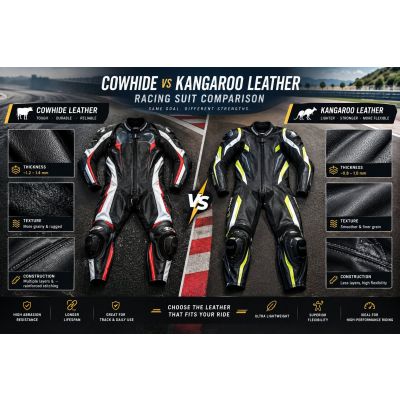
When you're shopping for a motorcycle racing suit, the choice between cowhide and kangaroo leather can feel overwhelming. Both materials are trusted by track riders and racers, but they perform differently in speed, abrasion resistance, fit, and comfort. Understanding these differences helps you pick the right suit for your riding style, body type, and racing goals. This guide breaks down cowhide vs kangaroo leather motorcycle suits so you can make a confident decision before your next purchase.
Quick Comparison Answer
Cowhide leather motorcycle suits offer excellent abrasion resistance, durability, and a more forgiving fit for different body types. Kangaroo leather suits are lighter, more flexible, and better suited for higher-speed racing because of their superior tensile strength and thinner construction. For track days and racing, kangaroo leather is often preferred by experienced riders who want maximum performance and minimal weight. Cowhide suits are better for street riders, commuters, and racers who value durability and don't mind slightly more weight. The right choice depends on your racing speed, body fit, comfort needs, and budget.
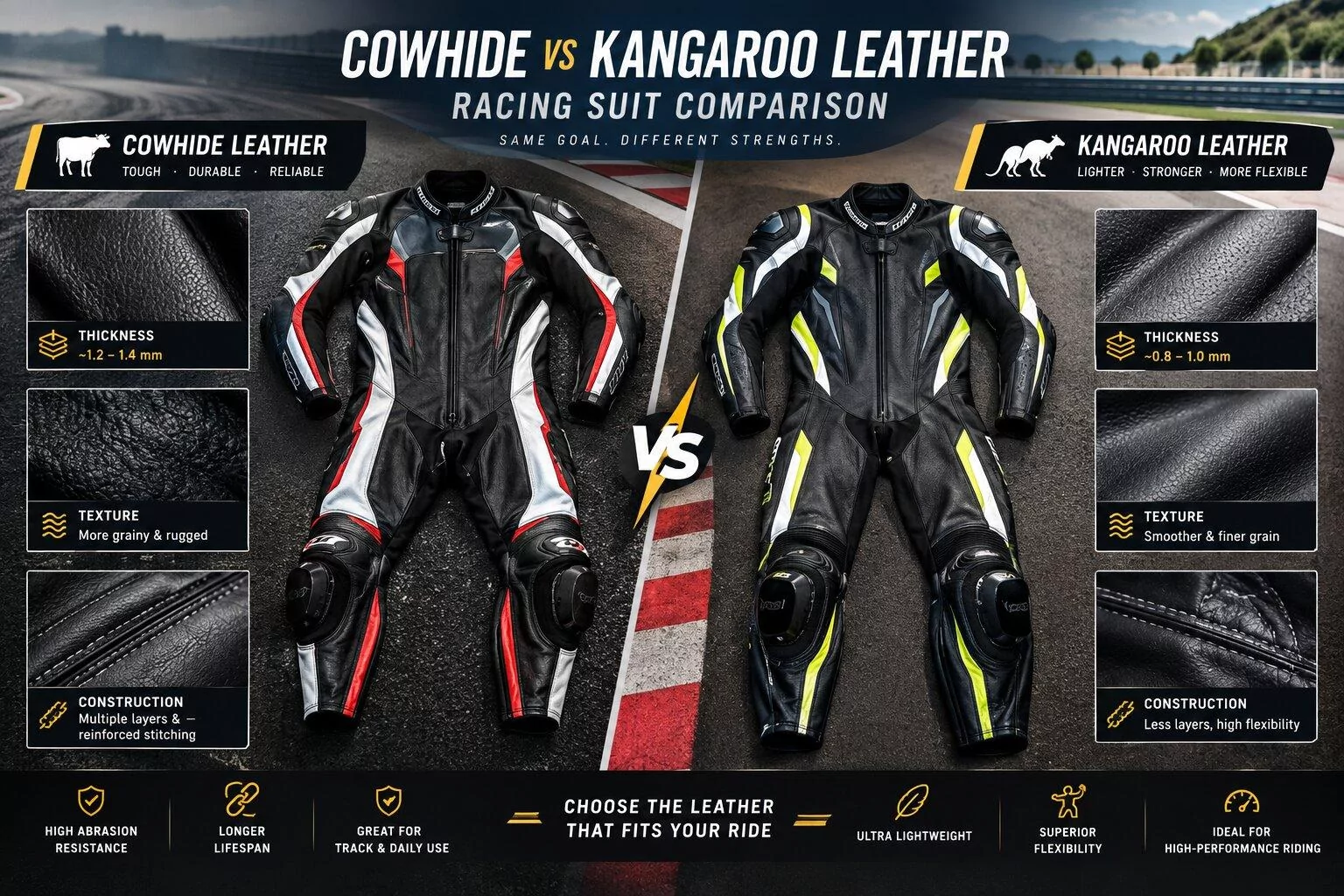
Table of Contents
- What Is the Main Difference Between Cowhide and Kangaroo Leather?
- Abrasion Resistance: How Each Material Performs
- Why Tensile Strength Matters in Racing Suits
- Fit, Comfort, and Riding Position
- Weight and Flexibility on the Bike
- Which Material Is Better for Track Racing?
- Which Material Is Better for Street Riding?
- Impact Protection and Armor Placement
- Durability, Maintenance, and Long-Term Care
- Cost, Value, and Budget Considerations
- Pros and Cons of Each Material
- Common Mistakes When Choosing a Racing Suit
- Which Motorcycle Suit Should You Choose?
- Final Comparison Advice from Leather Collection
What Is the Main Difference Between Cowhide and Kangaroo Leather?
The main difference is structural and performance-based. Cowhide is thicker, more durable, and more forgiving with fit. Kangaroo leather is thinner, lighter, more flexible, and has higher tensile strength relative to its weight. Both materials are graded by quality, tanning method, and construction. Both can meet or exceed EN 17092 abrasion resistance standards when properly treated and reinforced. The choice comes down to your priorities: maximum durability and comfort, or maximum performance and weight reduction.
Cowhide has been the standard for motorcycle gear for decades. It's reliable, widely available, and performs consistently across different body types and riding styles. Kangaroo leather is newer to mainstream motorcycle gear but has gained popularity with track racers and performance-focused riders because of its unique combination of strength, lightness, and flexibility.
Abrasion Resistance: How Each Material Performs
Both cowhide and kangaroo leather can provide excellent abrasion resistance when properly constructed and certified. Abrasion resistance measures how well a material resists being worn away by friction with the road surface during a slide or crash. This is measured under EN 17092, which rates garments into classes AAA, AA, A, B, and C based on abrasion resistance, tear strength, and seam strength.
Cowhide's thickness gives it natural abrasion resistance. A thicker hide naturally resists road wear longer than thinner material. This is why cowhide suits often feel more robust and reassuring to riders who are concerned about protection during a slide. Quality cowhide can achieve AA or AAA ratings under EN 17092.
Kangaroo leather achieves strong abrasion resistance through its molecular structure and tensile strength, not thickness. Kangaroo hide is naturally more tightly fibered than cowhide, which means it resists tearing and abrasion even when thinner. A properly constructed kangaroo leather suit can also achieve AA or AAA ratings. The advantage is that kangaroo can deliver similar abrasion protection at reduced weight and thickness.
The key point: both materials can protect you during a slide. The difference is how they do it. Cowhide uses thickness; kangaroo uses fiber density and strength. For racing, the kangaroo approach means you get protection without extra bulk.
Why Tensile Strength Matters in Racing Suits
Tensile strength is the ability of a material to resist being pulled or torn apart. In a motorcycle crash or high-speed slide, your suit experiences forces pulling in multiple directions. High tensile strength helps the material stay intact longer and resist tearing. This is different from abrasion resistance, which is about resisting surface wear.
Kangaroo leather has naturally higher tensile strength than cowhide of the same thickness. This means a thin kangaroo leather panel can withstand as much pulling force as a thicker cowhide panel. For racing, this matters because racers want the lightest, most flexible suit that still protects them. Kangaroo leather delivers that combination better than cowhide.
Cowhide's thicker construction also provides good tensile strength, but the added weight and stiffness come with it. For a racer trying to minimize suit weight and maximize movement on the bike, this trade-off may not be ideal. For a street rider or commuter, the extra durability and weight may feel reassuring.
Fit, Comfort, and Riding Position
Fit is where many riders make mistakes when choosing between these materials. The best material in the world won't protect you if the suit doesn't fit your body in riding position.
Cowhide leather is stiffer when new and takes time to break in. This stiffness can feel uncomfortable during the first few rides, especially around the shoulders, elbows, and knees. However, cowhide gradually softens and molds to your body, creating a custom fit over time. For riders with larger builds or those who need extra room, cowhide's forgiving nature can be an advantage. The suit is more likely to fit well even if sizing is not perfect.
Kangaroo leather is naturally more supple and flexible from the start. It requires less break-in time and feels more comfortable immediately. This is especially noticeable around the joints and seams. For racers who want to feel the bike and move freely, kangaroo's natural flexibility is a major advantage. However, kangaroo leather suits are often cut more precisely for a tight, racing-focused fit. If you choose the wrong size, a kangaroo suit may feel too snug or too loose because it doesn't have as much give as cowhide.
The practical lesson: cowhide suits are more forgiving with sizing. Kangaroo suits require more precise sizing to feel comfortable. This is why custom sizing is so important when buying kangaroo leather racing suits.
Weight and Flexibility on the Bike
Weight matters more for racing than for street riding. Every pound of suit weight affects how you feel on the bike, how quickly you can move, and how much energy you use during a race. Kangaroo leather racing suits typically weigh 10 to 20 percent less than comparable cowhide suits. This difference is noticeable over a long track session.
Flexibility is equally important. A racing suit needs to move with your body as you shift position, lean into turns, and accelerate. Kangaroo leather's natural suppleness means less resistance when you move. Cowhide, especially when new or in thicker grades, can feel restrictive by comparison. Some riders adapt quickly; others find the stiffness frustrating during aggressive riding.
For track days and racing, the lighter weight and better flexibility of kangaroo leather give you an edge. You can focus on your line and throttle control instead of fighting your suit. For street riding and commuting, the extra weight and stiffness of cowhide are usually not noticeable or bothersome.
Which Material Is Better for Track Racing?
For track racing and high-speed riding, kangaroo leather is the preferred choice among most professional and serious amateur racers. Here's why:
Kangaroo leather's combination of light weight, high tensile strength, and natural flexibility makes it ideal for the demands of track racing. You need a suit that moves with you, doesn't add unnecessary bulk, and still protects you during a high-speed crash. Kangaroo leather delivers all three.
Track-day riders often spend 20 to 40 minutes per session on the bike, pushing hard through corners and accelerating on straights. A heavy, stiff suit becomes fatiguing and can distract you from riding. Kangaroo leather reduces fatigue and keeps you focused. The material also tends to stay cooler than thick cowhide, which matters during intense riding sessions in warm weather.
Cowhide can work for track racing, especially if you're a beginner or occasional track-day rider. The extra durability and forgiving fit may feel more comfortable as you learn. However, experienced racers and riders who do multiple track sessions per month typically prefer kangaroo leather because of the performance advantages.
Which Material Is Better for Street Riding?
For street riding, commuting, and casual road use, cowhide is the more practical choice for most riders. Here's why:
Street riding involves lower speeds, longer wear periods, and more varied conditions than track racing. You need a suit that's durable, forgiving with fit, and comfortable for extended wear. Cowhide excels in all three areas. The material's thickness and durability mean your suit will last longer with regular use and care. The forgiving fit means you can wear the suit comfortably for hours without the precision sizing that kangaroo requires.
Cowhide also tends to be more affordable than kangaroo leather, which matters for riders on a budget or those buying their first quality racing suit. The material's proven track record and wide availability mean you have more options and can find suits that fit different body types more easily.
Kangaroo leather street suits exist, but they're often overkill for the speeds and distances most street riders experience. You pay extra for performance features you may not need. That said, if you do both track days and street riding, a kangaroo leather suit can work for both uses. It's just more expensive than a cowhide suit designed primarily for street use.
Impact Protection and Armor Placement
Impact protection is not the same as abrasion resistance. This is a critical point that many riders misunderstand. Abrasion resistance protects against road wear during a slide. Impact protection protects against the force of hitting an object or the ground.
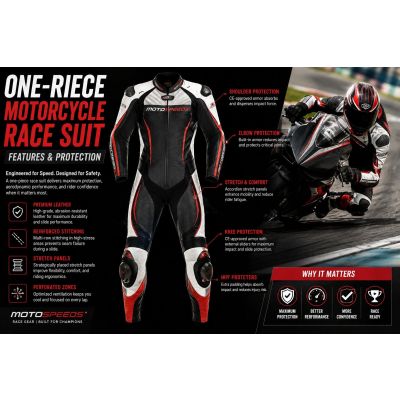
Impact protection comes from CE-certified armor, typically at the shoulders, elbows, knees, and hips. The armor itself—not the leather—provides impact protection. Armor is rated Level 1 or Level 2 under EN 1621 based on how much impact energy it absorbs. The leather material (cowhide or kangaroo) just holds the armor in place and protects the surrounding areas from abrasion.
Both cowhide and kangaroo leather racing suits can integrate armor effectively. The difference is in how the suit is constructed. Cowhide suits often use thicker leather around armor pockets, which can make the armor feel more secured and stable. Kangaroo leather suits use thinner material but rely on precise stitching and pocket design to keep armor in place. Both approaches work when done well.
The key is fit and placement. Armor must sit over your knee and hip areas when you're seated on the bike in riding position. If the suit is too loose or too tight, armor can shift during a crash, reducing its effectiveness. This is why trying on a racing suit in riding position is essential, regardless of material.
Durability, Maintenance, and Long-Term Care
Cowhide leather is known for durability and longevity. With proper care—regular cleaning, conditioning, and storage—a quality cowhide suit can last many years and handle repeated crashes or slides better than kangaroo. The thicker material can be repaired more easily if damaged, and replacement panels are often available from manufacturers.
Kangaroo leather is also durable when properly cared for, but it requires more careful maintenance. The thinner, more delicate fibers need regular conditioning to stay supple. Damaged kangaroo leather can sometimes be repaired, but replacement may be the better option if damage is extensive. Kangaroo suits are also more susceptible to water damage and require careful storage in dry conditions.
Both materials benefit from regular cleaning with leather-specific products, conditioning to prevent cracking, and storage away from direct sunlight and extreme temperatures. If your suit experiences a crash or significant slide, have it inspected by the manufacturer or a professional leather repair service. Damage to the protective layers or armor pockets may require professional servicing or replacement.
For long-term value, cowhide typically offers better bang for your buck if you ride frequently and want a suit that will last through multiple seasons with minimal maintenance. Kangaroo leather is better if you want peak performance and are willing to invest in careful maintenance and potential replacement.
Cost, Value, and Budget Considerations
Cowhide racing suits are generally less expensive than kangaroo leather suits. You can find quality cowhide suits at various price points, making them accessible to riders with different budgets. This affordability makes cowhide a good choice for first-time racing suit buyers or those upgrading from casual leather jackets.
Kangaroo leather suits cost more because of the material's rarity, the precision required in manufacturing, and the performance benefits. If you're a serious track racer or do multiple track days per month, the extra cost is often justified by the performance and comfort advantages. If you're a casual rider or street-only rider, the extra cost may not be worth it.
Consider your riding frequency and goals when evaluating cost. A $1,500 cowhide suit that lasts five years works out to $300 per year if you ride regularly. A $2,500 kangaroo suit that also lasts five years works out to $500 per year. The difference matters if you're on a tight budget. However, if the kangaroo suit makes you faster, more comfortable, and more confident on the track, that value may justify the extra cost for racing-focused riders.
Riders who want better protection for city and road use can explore our
for gear designed around safety, fit, and everyday riding comfort.Pros and Cons of Each Material
Cowhide Leather Suits
Pros:
- Excellent durability and long lifespan with proper care
- Forgiving fit that accommodates different body types
- Thicker material feels more protective and reassuring
- Generally more affordable than kangaroo leather
- Easier to repair and find replacement parts
- Proven track record across decades of motorcycle racing
- Better suited for casual street riding and commuting
Cons:
- Heavier weight adds fatigue during long track sessions
- Stiffer material requires break-in time
- Less flexibility can feel restrictive during aggressive riding
- May feel warmer in hot weather or during intense riding
- Thicker construction means less tactile feedback from the bike
Kangaroo Leather Suits
Pros:
- Lighter weight improves performance and reduces fatigue
- Naturally supple and flexible from the start
- Higher tensile strength for better crash protection at reduced weight
- Minimal break-in time; comfortable immediately
- Better for high-speed racing and track days
- Thinner material allows better feel and connection to the bike
- Runs cooler than thick cowhide in warm conditions
Cons:
- More expensive than cowhide suits
- Requires more precise sizing for optimal fit
- Requires more careful maintenance and conditioning
- More susceptible to water damage and environmental damage
- Damaged areas can be harder to repair than cowhide
- Less forgiving if sizing is slightly off
Common Mistakes When Choosing a Racing Suit
Mistake 1: Choosing based only on material name. Many riders assume kangaroo leather is automatically better because it's newer or more expensive. The truth is that a well-made cowhide suit often outperforms a poorly constructed kangaroo suit. Material matters, but construction quality, fit, and armor integration matter more.
Mistake 2: Ignoring fit and sizing. Buying a suit based on price or looks without trying it on in riding position is a major error. A perfectly fitted cowhide suit will protect you better and feel more comfortable than an ill-fitting kangaroo suit. Always check fit while seated on the bike, with the suit zipped, and with armor in place.
Mistake 3: Confusing abrasion resistance with impact protection. Some riders think a thicker material automatically means better protection. Thickness helps with abrasion resistance, but impact protection depends on armor. A thin kangaroo suit with proper armor can protect you as well as a thick cowhide suit with the same armor.
Mistake 4: Not checking EN 17092 rating. A suit's abrasion resistance class (AAA, AA, A, B, or C) matters. Check the garment label or product details to see what class your suit is rated. AAA offers the best abrasion resistance; C offers the least. For racing, aim for AA or AAA.
Mistake 5: Forgetting about armor level. EN 1621 Level 1 and Level 2 refer to armor impact performance, not garment rating. Level 2 armor absorbs more impact energy than Level 1. For racing, Level 2 armor is preferred, but verify this in the product details.
Mistake 6: Buying the wrong suit for your riding style. If you do mostly street riding but buy a track-focused kangaroo suit, you're paying for performance you don't need. If you do regular track days but buy a street-focused cowhide suit, you're sacrificing performance for the wrong use case. Match the suit to your primary riding.
Mistake 7: Neglecting the rest of your gear. A racing suit is just one part of your protection system. You also need quality gloves, boots, a helmet, and a jacket. Don't spend all your budget on the suit and then skimp on other gear.
Which Motorcycle Suit Should You Choose?
Choose a Cowhide Suit If:
- You primarily ride on the street or do casual track days
- You want maximum durability and a suit that lasts years
- You need a forgiving fit and don't want to worry about precise sizing
- You're buying your first quality racing suit and want to keep costs down
- You prefer a heavier, more protective-feeling suit
- You want easier maintenance and repair options
- You value proven performance over cutting-edge materials
Choose a Kangaroo Leather Suit If:
- You do regular track days or competitive racing
- You want the lightest, most flexible suit for performance
- You're willing to invest in precise sizing and careful maintenance
- You want minimal break-in time and immediate comfort
- You prioritize high-speed performance over budget
- You want better feel and connection to the bike
- You're an experienced rider comfortable with precision gear
Custom Sizing Matters for Both Materials
Whether you choose cowhide or kangaroo, custom sizing is worth considering. Off-the-rack sizes don't always match every body type perfectly. A suit that's slightly too loose or too tight can shift during a crash, reducing protection and comfort. Custom sizing ensures the suit fits your body in riding position, armor sits where it should, and seams align with your joints. This is especially important with kangaroo leather, where fit precision directly affects performance.
Final Comparison Advice from Leather Collection
Cowhide vs kangaroo leather motorcycle suits comes down to your riding style, speed, comfort priorities, and budget. Both materials can protect you effectively when properly constructed, certified, and fitted. The key is understanding what each material does best and matching it to your real riding needs.
Cowhide suits are the reliable choice for street riders, commuters, and racers who value durability, comfort, and affordability. Kangaroo leather suits are the performance choice for track racers and riders who want maximum lightness and flexibility at higher speeds. Neither is universally better; the better choice depends on you.
Before buying, verify the EN 17092 abrasion rating (aim for AA or AAA), check the armor certification and level, try the suit on in riding position, and consider custom sizing if standard sizes don't fit perfectly. For riders comparing real protective gear, the
shows how armor placement, reinforced construction, and fit work together to protect you on the track and road.Leather Collection helps riders choose protective gear by focusing on fit, construction quality, material performance, and real-world riding needs. Whether you choose cowhide or kangaroo, prioritize fit, armor integration, and construction quality over price or appearance alone. Your choice of racing suit should match your riding speed, experience level, and how often you'll actually wear it. When in doubt, consult with a specialist who can assess your body type, riding style, and goals before recommending a specific suit.
Frequently Asked Questions
Is kangaroo leather really stronger than cowhide?
Kangaroo leather has higher tensile strength relative to its thickness, meaning it resists tearing better than cowhide of the same thickness. However, a thicker cowhide panel can match the tensile strength of a thinner kangaroo panel. For racing, kangaroo's advantage is that you get similar strength at reduced weight and bulk. For street riding, cowhide's thickness provides reliable protection without the extra cost.
Can cowhide racing suits be used for track days?
Yes, quality cowhide suits work well for track days, especially for beginners and casual track riders. The material is durable, protective, and forgiving with fit. Experienced racers who do multiple track sessions often prefer kangaroo for performance reasons, but cowhide is a solid, affordable choice for learning and occasional track use.
Which material is better for hot weather riding?
Kangaroo leather typically runs cooler because it's thinner and allows better airflow. Cowhide's thickness can trap heat during intense riding or in hot conditions. However, both materials depend on ventilation features, mesh panels, and construction design. Check product details for vents and airflow features rather than relying on material alone.
How long do cowhide and kangaroo leather suits last?
Durability depends on construction quality, riding frequency, care, and crash history. Both materials can last many years with proper maintenance. Cowhide is generally more forgiving with care and easier to repair. Kangaroo requires more careful conditioning and may need replacement rather than repair if damaged. Inspect your suit regularly and have it serviced after any crash or significant slide.
Do I need custom sizing for a racing suit?
Custom sizing is not required but is highly recommended, especially for kangaroo leather suits and for riders with non-standard body types. A precisely fitted suit protects you better, keeps armor in place during a crash, and feels more comfortable during long rides. Standard sizes work for many riders, but trying on the suit in riding position is essential before buying.
What is the difference between EN 17092 and EN 1621?
EN 17092 rates the whole garment (jacket, pants, or suit) based on abrasion resistance, tear strength, and seam strength. Classes range from AAA (best) to C (least). EN 1621 rates impact protectors (armor) based on impact energy absorption. These are separate standards. A suit can have an AAA abrasion rating but still need good armor for impact protection.
Can I repair a kangaroo leather suit after a crash?
Minor repairs are sometimes possible, but crash-damaged suits should be inspected by the manufacturer or a professional leather repair service. Kangaroo leather can be repaired, but depending on damage extent, replacement may be more practical. Always have your suit inspected after any crash to check for hidden damage to the protective layers and armor.