
 USA
 Canada
 Brazil
 Germany
 France
 Italy
 Switzerland
 Sweden
 Spain
 Norway
 Russia
 South Africa
 Japan
 New Zealand
 Australia

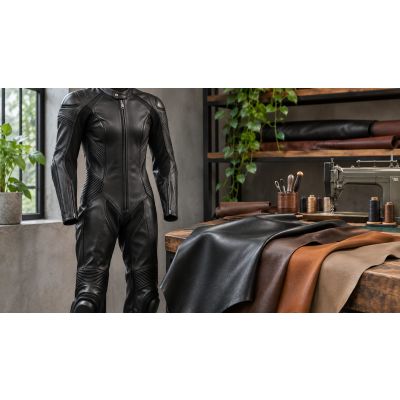
Short answer: rules on kangaroo products differ from place to place and have changed over time. Check your local rules and the seller's shipping terms before you order. Cowhide is a widely used alternative.
This article is general information, not legal advice. Laws change, and the wording of a statute matters. Always read the current official text.
Why kangaroo leather is regulated at all
Kangaroo leather comes from wild kangaroos that are harvested commercially in Australia under government-managed programs. Supporters say the harvest is regulated and the animals are not endangered. Critics raise animal-welfare concerns about how the animals are killed and about the effect on wild populations. Those arguments are why kangaroo products have been politically contested in several places, and why some jurisdictions have their own rules about selling them.
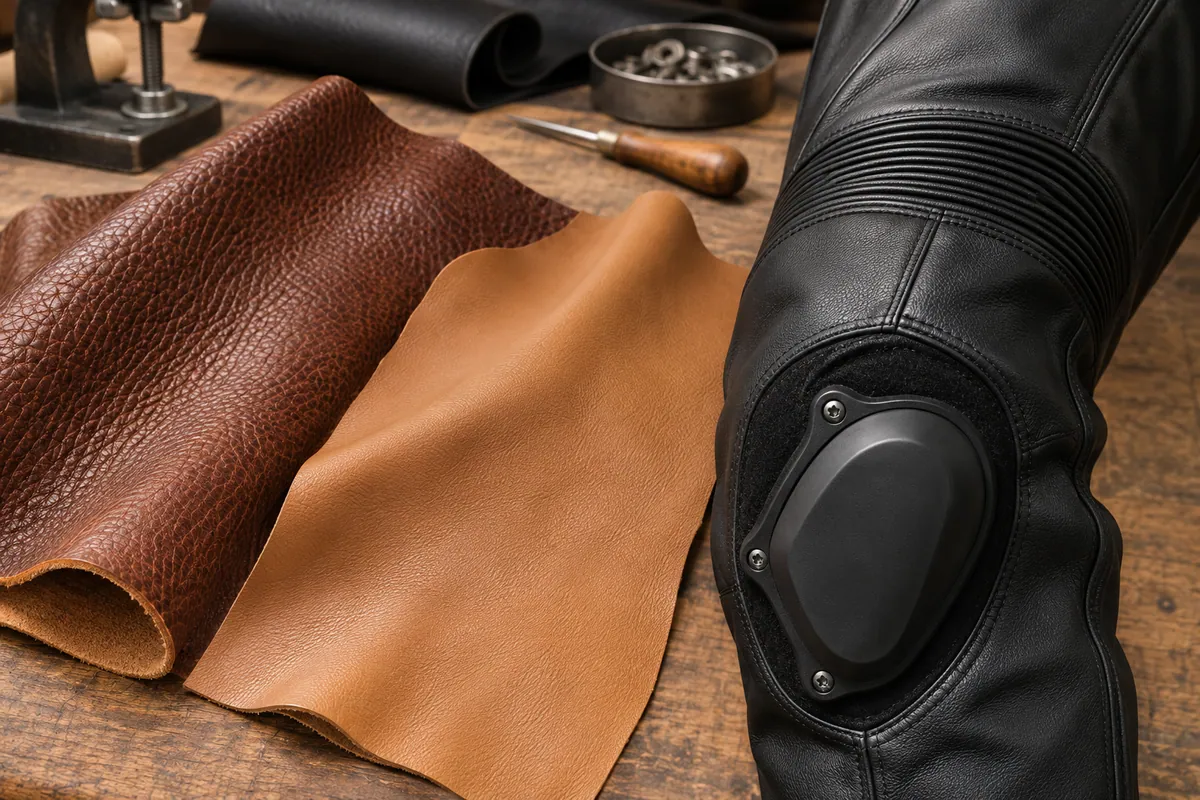
In Australia, the national government and the states regulate the harvest and the export of kangaroo products. The Australian Government's Department of Climate Change, Energy, the Environment and Water publishes information on this at dcceew.gov.au.
Check your local rules
Rules can differ by country, state or region, and the exact wording matters. Check the official rules where you live before ordering, and do not rely on a summary, including this one.
Federal import rules
For imports into the US, start with the US Fish and Wildlife Service at fws.gov and US Customs and Border Protection at cbp.gov. Ask any seller how they handle shipping paperwork.
What the EU and UK say
The EU and the UK each have their own trade and wildlife rules. For the EU, start with the European Commission's wildlife trade pages. For the UK, use the government's guidance on importing animal products and wildlife. Do not assume the rules match the US, and check the current page for your country before ordering.
Where to check, by region
| Region | What to check | Where |
|---|---|---|
| US federal | Wildlife import and customs entry requirements | US Fish and Wildlife Service; US Customs and Border Protection |
| Australia | How kangaroo harvest and export are regulated | Department of Climate Change, Energy, the Environment and Water |
| EU | Wildlife trade and import rules | European Commission trade and environment pages |
| UK | Import rules for animal products and wildlife | GOV.UK guidance |
What this means when buying a race suit
If you want a kangaroo suit, the practical questions come down to four.
- Where do you live? Check your local rules on kangaroo products first.
- Where does the seller ship from? Cross-border shipments add customs and documentation questions.
- What paperwork comes with it? Ask what the seller provides about the leather's origin.
- What are the return terms? If a parcel is held at customs, it helps to know who is responsible.
Kangaroo is offered as an upgrade on our suits. Rules on kangaroo products differ by country and state, so check the rules where you live before ordering it. We do not give legal advice, so check your own local rules.
Why racers choose kangaroo anyway
Kangaroo hide has fibers that are fine and tightly packed. That gives a thin, light leather that is often described as strong for its weight, which is why riders who want a lighter, more flexible suit have favored it. Our history of race suit materials, from wool to kangaroo, shows how it entered racing, and what race suits are made of gives the broader picture. Claims about strength and weight are relative and depend on thickness and construction, so treat any single number with caution.
Cowhide as the alternative
Cowhide is heavier and thicker for the same protection, but it is durable, widely available and is a common choice. Many riders use cowhide for track days and club racing. Our comparisons, cowhide vs kangaroo for race suits and cowhide vs sheepskin vs kangaroo, lay out the differences in feel and wear. Browse our leather race suits or the custom race suits to see what can be made to measure.
A quick buyer checklist
- Check the official rules where you live.
- Ask the seller whether kangaroo items ship to your country.
- Ask what documents accompany an international shipment.
- Confirm the return terms if the parcel is stopped or refused.
- Decide whether cowhide meets your needs and removes the question.
FAQs
Is kangaroo leather legal where I live?
Rules differ by place and change over time, so check the official rules where you live. We do not give a legal opinion.
Can I buy a kangaroo leather race suit?
Kangaroo is offered as an upgrade on our suits. Rules on kangaroo products differ by country and state, so check the rules where you live before ordering it. We do not give legal advice, so check your local rules before ordering.
Is kangaroo leather legal in the EU and UK?
Each has its own trade and wildlife rules. Check the current official guidance for your country, since the rules can change.
Why is kangaroo leather controversial?
Because kangaroos are wild animals harvested commercially, which raises welfare and conservation questions, while the industry and governments regulate the harvest. Opinions differ, and some jurisdictions have responded with their own rules.
Is cowhide safe for track racing?
Cowhide is widely used for track suits. Protection depends on the thickness, the construction, the armor and the fit, and no material guarantees safety. Check the maker's specifications and the relevant standards.
Do I need paperwork to import a kangaroo suit?
Possibly. Requirements depend on the destination country and current rules, so ask the seller what documents they provide and check with customs authorities.
If you would rather avoid the question, compare options in our leather race suits, available in cowhide and made to your measurements.